Category Archives: Announcements

Broke Down Between Exits? Now You Can Search 4RoadService by Interstate Exit Number

If you’ve ever broken down on the interstate and had someone ask “what’s your exact location?” — you know the problem. You’re not looking at a mile marker. You don’t have GPS coordinates memorized. What you do know is the last exit sign you passed.

That’s exactly the gap 4RoadService’s new search by exit number option is built to close.

How It Works

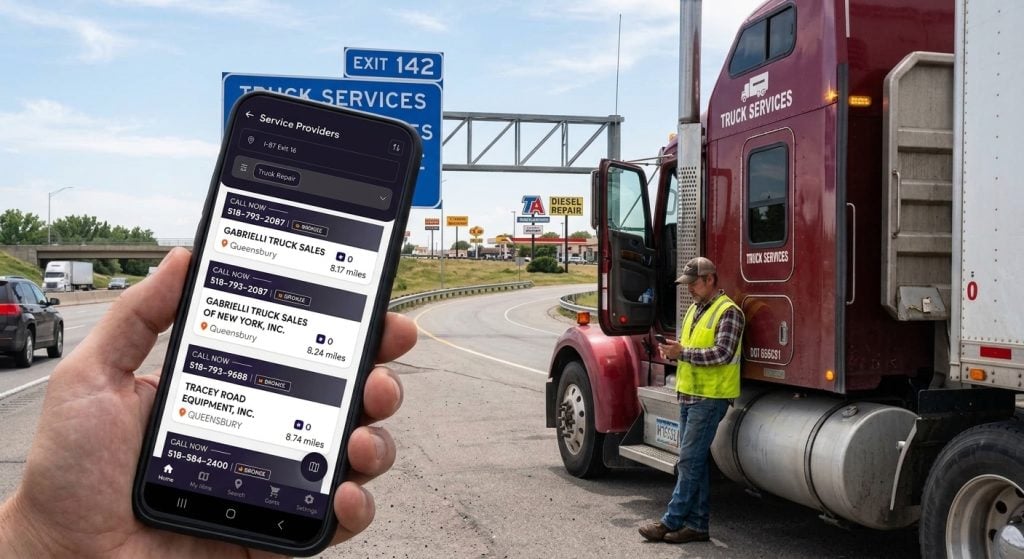
Instead of guessing at an address or trying to describe a stretch of highway, drivers and dispatchers can now just type the highway and exit straight into the search bar — for example, I-87 Exit 16 — and get a list of nearby truck repair, towing, tire, and trailer service providers sorted by distance from that exact spot.

No cross streets. No coordinates. Just the highway and the number on the last sign.

Why This Matters on the Road

AAA alone fielded more than 27 million emergency roadside calls in 2024 — and that’s passenger vehicles. For truckers and fleets, a breakdown between exits comes with its own pressure: hours-of-service clocks running, freight sitting, and a driver standing on the shoulder trying to describe where they are to a dispatcher three states away.

Search by exit number cuts that guesswork out:

  • Drivers can type the last exit they passed — like “I-87 Exit 16” — straight into the search bar from their phone or in-cab tablet, no pin-dropping or browsing required.
  • Dispatchers fielding a call from a driver can search in seconds once they hear the highway and exit number, instead of trying to reverse-engineer a location from a vague description.
  • Fleets get faster, more accurate matches to nearby service providers, which means less downtime and a quicker return to the road.

Try It Now

Just type your highway and exit number straight into the search bar at 4RoadService.com — try “I-87 Exit 16” — and you’ll get a list of verified nearby providers for truck repair, heavy-duty towing, tire service, trailer repair, reefer repair, and more. Prefer to browse instead? You can also pick your interstate from the highways directory and select your exit from the list.

Add 4RoadService.com to your contacts and bookmarks now, so the next time you’re stuck between exits, help is one search away.

Launch: Truck Parking

We have officially launched a new Truck Parking search feature on our website and mobile app.

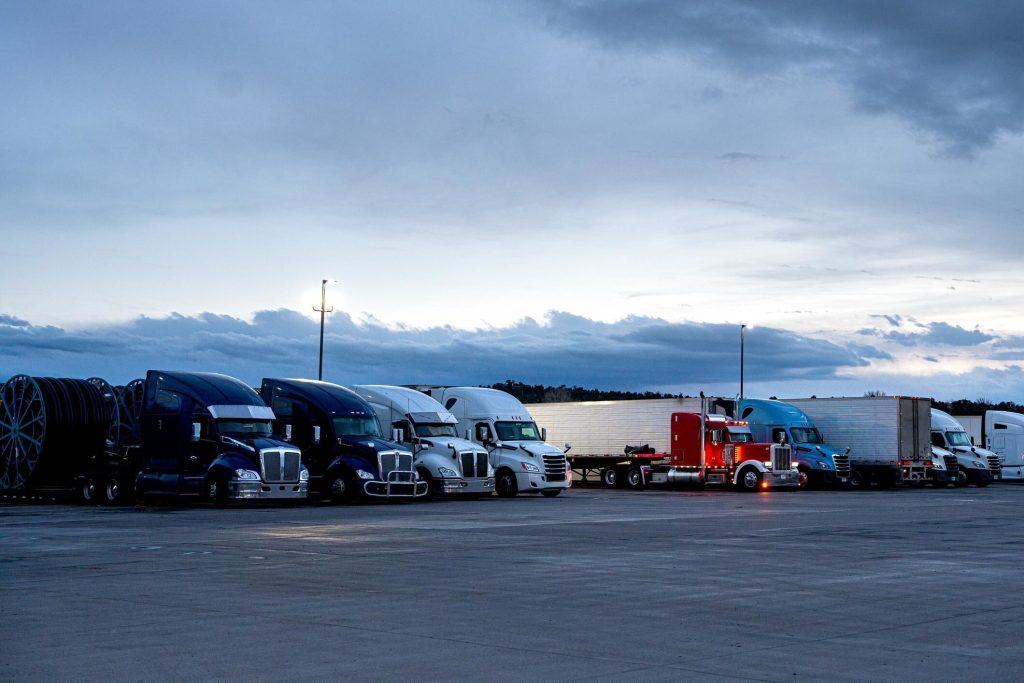
A row of parked semi-trucks in a lot during dusk, with a cloudy sky in the background.
Locating truck parking can be difficult, that is why 4roadservice.com now added Truck Parking to its directory to assist drivers in finding parking.

The feature comes at a critical time, as truck parking shortages continue to impact drivers nationwide. With limited available spaces at truck stops and rest areas, especially during peak evening hours, many drivers are forced to spend valuable drive time searching for safe, legal parking. In some cases, this leads to parking along highway shoulders or risking Hours of Service violations.

The new Truck Parking search category is designed to help drivers quickly locate parking options near their current location, improving trip planning, safety, and compliance.

You can now:

  • Search for truck parking near you in real time
  • Access listings across the United States and Canada
  • Find parking alongside other essential services such as truck repair, tire service, towing, and fuel
  • Use the feature directly from the 4RoadService website or mobile app

Mobile App Update

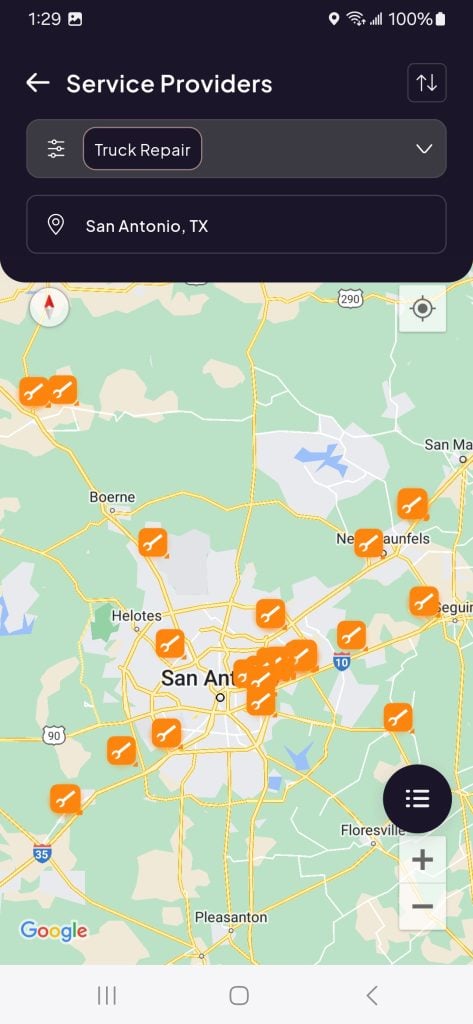
We just released a minor update to the 4RoadService App for iOS and Android which makes searching for service in locations other than where you are much smoother. To all you safety and maintenance managers out there using 4RoadService when a driver calls, we hope this makes your life just a little bit better.

Get 4RoadService for iOS here.

Get 4RoadService for Android here.

A promotional image for the 4RoadService 3 Mobile app showing a screenshot if the app on a Google Pixel phone.

Announcing 4RoadService 3 for Mobile

We’re excited to announce the latest generation of managing unexpected maintenance while driving over-the-road: the 4RoadService 3, now available for both Android and iOS! As a trusted companion for CDL truck drivers across the USA and Canada, the 4RoadService app has been a staple in helping drivers find the nearest truck stops, repair services, tire service, and roadside assistance. With this major update, we have added truck dealers, filtering by brand, reviews, and more.

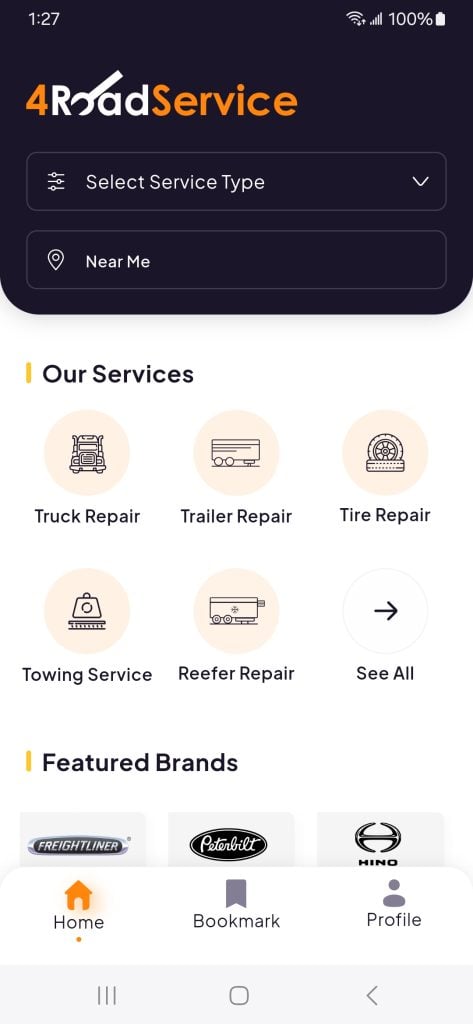
An image of 4RoadService 3 running on a Google Pixel
4RoadService 3 offers 1-touch access to the most needed services.

New in 4RoadService 3

The update is packed with new features and improvements to make your life on the road smoother and more efficient:

  • Sleek, Modern Design: The app has been redesigned from the ground up with a clean, user-friendly interface that’s easy on the eyes, ensuring that you can quickly access the information you need.
  • One-Tap Search: Time is crucial when you’re on the road. Find the services you need with just a single tap, whether it’s roadside assistance, truck repairs, or the nearest truck stop.
  • Service Ratings and Reviews: We’re bringing the power of community to the app. Read ratings and reviews from fellow truck drivers and submit your own when a service provider goes above and beyond.
  • Customized Search: Find repair services and dealers that specialize in your truck’s engine, tires, or reefer.
  • Seamless Sync Across Devices: Your saved favorites will now sync across all your devices and online when you sign into the app, making it easier than ever to keep track of the service providers you trust.
  • Enhanced Compatibility: The app is now optimized to work better on more screen sizes, ensuring a smooth experience no matter the size of your phone.

Why 4RoadService 3?

For over 20 years, 4RoadService has been the go-to app for truckers needing facing “unscheduled maintenance” OTR. We understand that when the unexpected happens, you need reliable help fast. That’s why the app remains free and doesn’t require login for essential features—just open it up and find the help you need, no delays.

Key Features:

  • Find Truck Services on the Go: Heavy diesel repair, towing and recovery services, tire repair, or reefer service, the 4RoadService app connects you to the closest providers.
  • Locate Truck Stops: Major chains like Pilot Flying J, Love’s, TA Petro, and Roady’s or independent truck stops, you’ll always find a place to rest and refuel.
  • Manage Your Business: Save your favorite vendors, leave reviews, and easily share vendor information with your dispatcher, maintenance manager, or drivers.

Download the App Today!

The 4RoadService 3 Mobile App is available today on Google Play for Android and the App Store for iOS. If you’re already using the app, simply update to the latest version, and you’ll be ready to hit the road!

Stay connected: Follow us on Facebook and LinkedIn for the latest updates and trucking tips.This new version is all about making your journey smoother, faster, and more reliable. We’re thrilled to bring you 4RoadService 3, and we can’t wait to hear your feedback. Safe travels!

Safety Measures at Truck Stops: Ensuring a Secure Environment for Drivers

Safety Measures at Truck Stops: Ensuring a Secure Environment for Drivers

Truck stops are vital rest areas for drivers during their long-haul journeys. As bustling hubs of activity, it is crucial for truck stops to prioritize safety measures that create a secure environment for drivers and their valuable cargo. 

In this blog, we will explore five major safety measures implemented at truck stops to ensure the well-being of drivers and minimize potential risks. 

5 Major Safety  Measures at Truck Stops

Understanding the following safety measures at truck stops will enhance your truck stop experience and provide peace of mind and ensure a secure environment for drivers:

1. Adequate Lighting

One of the primary safety measures at truck stops is the provision of adequate lighting throughout the premises. Well-lit areas contribute to a heightened sense of security by deterring potential criminal activity and promoting visibility. Illuminated parking lots, walkways, and fueling areas create a safer environment, allowing drivers to easily navigate and locate their vehicles.

2.  Video Surveillance

Truck stops employ advanced video surveillance systems to monitor the premises and deter criminal activity. Strategically placed cameras provide continuous monitoring of parking lots, fueling areas, entrances, and other critical locations. Video surveillance acts as a deterrent to potential criminals and assists in identifying and resolving security incidents. The presence of surveillance systems fosters a sense of safety and provides valuable evidence in the event of any untoward incidents.

3. Security Personnel

Many truck stops have dedicated security personnel who patrol the premises, ensuring the safety of drivers and their vehicles. These professionals are trained to identify and address security concerns promptly. Security personnel provides a visible presence that deters criminal activities and provides assistance to drivers in need.

4. Secure Parking Areas

Truck stops offer designated parking areas that are specifically designed to accommodate heavy trucks. These parking areas often feature secure fencing, controlled entry points, and monitored access. By restricting access to authorized individuals only, truck stops minimize the risk of unauthorized entry and potential theft. Secure parking areas provide drivers with peace of mind, allowing them to rest and sleep without worrying about the safety of their vehicles and cargo.

5. Emergency Services and Communication

Truck stops prioritize emergency preparedness by providing access to emergency services and communication facilities. Many truck stops have dedicated emergency call boxes strategically located throughout the premises. These call boxes allow drivers to quickly summon assistance in case of emergencies or incidents requiring immediate attention.

Conclusion

Truck stops take safety seriously and implement several key measures to ensure a secure environment for drivers. Adequate lighting, video surveillance, security personnel, secure parking areas, and access to emergency services and communication are all essential components of a well-rounded safety strategy. Whether you’re seeking a truck stop in Louisville, KY, or require heavy truck repair near you, understanding and utilizing these safety measures will contribute to a safer and more secure truck stop experience. Prioritizing safety at truck stops not only protects drivers and their valuable cargo but also fosters a sense of trust and confidence within the transportation industry as a whole.

Proper Loading and Airflow Management in Reefer Trailers: Maximizing Cooling Efficiency

Proper Loading and Airflow Management in Reefer Trailers: Maximizing Cooling Efficiency

Proper loading and airflow management are critical factors in maximizing the cooling efficiency of reefer trailers. Temperature-sensitive cargo requires consistent and uniform airflow to maintain the desired temperature throughout transportation. 

In this blog, we will provide valuable tips on how to optimize loading and manage airflow effectively in reefer trailers.

5 Tips for Proper Loading and Airflow Management in Reefer Trailers

The following tips will help you ensure the optimal cooling performance of your reefer trailer:

Tip #1: Plan the Load Placement Strategically

Proper planning of load placement is essential for maintaining airflow and preventing temperature variations. Distribute the cargo evenly throughout the reefer trailer, avoiding any concentration of goods that may impede airflow. Place larger items or pallets against the walls of the trailer, leaving space in the center for air circulation. Staggering the placement of goods can help create channels for consistent airflow, ensuring uniform cooling throughout the trailer.

Tip #2: Utilize Air Chutes and Bulkheads

Air chutes and bulkheads are valuable tools for managing airflow and preventing the mixing of warm and cold air. Install air chutes at strategic points along the sides of the trailer to guide the airflow efficiently. These chutes help direct the cold air from the reefer unit to the desired areas of the cargo. Additionally, use bulkheads to create separate compartments within the trailer, allowing for better temperature control and preventing the mixing of goods with different temperature requirements.

Tip #3: Use Load Bars and Secure Cargo Properly

Load bars serve a dual purpose in proper loading. They help secure the cargo in place, preventing shifting during transit and also aid in airflow management. Install load bars to create stable and organized sections within the trailer. This prevents the cargo from blocking the airflow and ensures consistent distribution of cool air throughout the load.

Tip #4: Allow Space for Adequate Airflow

Avoid overloading the reefer trailer and allow space for proper airflow. Overloading restricts the circulation of cold air and compromises cooling efficiency. Follow the trailer’s weight capacity limits and adhere to load distribution guidelines provided by the manufacturer. By allowing adequate space between the cargo and the trailer walls, you facilitate better airflow, reducing temperature fluctuations and ensuring uniform cooling.

Tip #5: Regularly Inspect Trailer Seals and Gaskets

Trailer seals and gaskets play a crucial role in maintaining the integrity of the reefer trailer’s cooling system. Regularly inspect these components to ensure they are in good condition and properly sealed. Damaged or deteriorated seals and gaskets can result in air leakage, compromising the cooling efficiency of the trailer. Replace any worn-out or faulty seals and gaskets promptly to maintain optimal temperature control.

Conclusion

Proper loading and airflow management are vital for maximizing the cooling efficiency of reefer trailers. By strategically planning the load placement, utilizing air chutes and bulkheads, using load bars to secure cargo, allowing space for airflow, and regularly inspecting trailer seals and gaskets, you can ensure consistent and uniform cooling throughout the transportation process. Remember, when it comes to maintaining the performance of your reefer trailer, rely on professionals in the reefer truck service and “heavy truck repair near me” to address any mechanical issues or repairs that may arise.

Essential Amenities at Truck Stops: What Drivers Can Expect

Essential Amenities at Truck Stops: What Drivers Can Expect

Truck stops play a crucial role in the lives of truck drivers, offering a range of amenities to ensure their comfort, convenience, and well-being during long journeys. These essential facilities provide a much-needed break from the road, allowing drivers to refuel, rest, and rejuvenate. 

In this blog, we will explore five key amenities that drivers can expect to find at truck stops. 

5 Essential Amenities at Truck Stops

Truck drivers expect the following essential amenities at truck stops:

1. Fuel Stations

One of the primary amenities at truck stops is fuel stations. These stations offer a variety of fuel types, including diesel, to cater to the specific needs of commercial trucks. Fuel stations at truck stops are designed to accommodate large vehicles, with multiple fueling lanes and high-flow pumps for efficient fueling. They provide a convenient and reliable source of fuel for drivers, ensuring they can continue their journey without interruption.

2. Dining Options

Truck stops often feature a range of dining options to cater to drivers’ diverse culinary preferences. From fast-food chains to sit-down restaurants, truck-stop dining facilities offer a variety of choices. Many truck-stop restaurants provide hearty meals and all-day breakfast options to keep drivers energized on their trips. Additionally, some truck stops have convenience stores or mini-marts that offer snacks, beverages, and other essentials.

3. Restrooms and Shower Facilities

Clean and well-maintained restroom and shower facilities are essential amenities at truck stops. These facilities provide drivers with a comfortable space to freshen up and attend to their personal hygiene needs. Truck stop restrooms are typically designed to accommodate large numbers of people and are regularly cleaned to ensure hygiene and sanitation. Shower facilities are available for drivers who require a refreshing shower after long hours on the road.

4. Parking Spaces

Ample parking spaces are a crucial amenity at truck stops. These designated spaces are specifically designed to accommodate large trucks, providing sufficient room for parking and maneuvering. Truck stop parking spaces often include features such as well-lit areas, security cameras, and even reserved parking options for specific vehicle types. Accessible and safe parking spaces allow drivers to rest and rejuvenate before continuing their journey.

5. Wi-Fi and Connectivity

In the digital age, connectivity is of utmost importance. Many trucks stop now offer Wi-Fi services to provide drivers with access to the internet during their stops. Accessible Wi-Fi allows drivers to stay connected with their loved ones, handle administrative tasks, and access important information. Having reliable connectivity at truck stops enhances drivers’ overall experience and facilitates efficient communication while on the road.

Conclusion

Truck stops offer a wide range of essential amenities specifically designed to meet the needs of truck drivers, ensuring the utmost comfort and convenience during their long journeys. From convenient fuel stations and diverse dining options to well-maintained restrooms and shower facilities, spacious parking spaces, and reliable Wi-Fi connectivity, these amenities are carefully crafted to enhance the overall truck stop experience. Whether you’re in search of a reliable truck stop in Louisville, KY, or require immediate heavy truck repair near you in Las Vegas, it’s crucial to fully grasp the significance of these amenities and make the most of them to ensure a seamless and enjoyable journey.

The Benefits of Using OEM Parts in Heavy Truck Repairs

The Benefits of Using OEM Parts in Heavy Truck Repairs

Introduction: The Secret to Exceptional Heavy Truck Performance and Longevity

Imagine the confidence you’ll feel, knowing your heavy truck is operating at its best using top-quality, reliable components. By choosing Original Equipment Manufacturer (OEM) parts for your heavy truck repair, you’re setting yourself up for success. Dive into this article to uncover the numerous advantages of OEM parts, from their superior quality and compatibility to their comprehensive warranties, and learn how they can save you time, money, and unnecessary headaches.

Quality and Consistency: The Hallmarks of OEM Parts

One of the most significant perks of using OEM parts in heavy truck repairs is their quality and consistency. OEM parts are designed and manufactured by the company that built your heavy truck, ensuring they meet the same exacting standards as the original components. This means you can trust OEM parts to deliver optimal performance, reliability, and longevity, reducing the likelihood of breakdowns and expensive repairs in the future.

Perfect Fit and Compatibility: A Seamless Integration

Another crucial advantage of using OEM parts in heavy truck repairs is their perfect fit and compatibility with your vehicle. Since they are designed to work seamlessly with your heavy truck’s specific make and model, OEM parts guarantee a precise fit that ensures smooth integration with your vehicle’s existing components. This minimizes the risk of installation errors and complications, reducing downtime and keeping your heavy truck running at peak performance.

Comprehensive Warranties: Peace of Mind and Added Protection

Many OEM parts come with comprehensive warranties that provide peace of mind and extra protection for your heavy truck. These warranties address material and workmanship flaws, guaranteeing a top-notch product built to endure. Should a problem emerge with an OEM part, the warranty generally covers repair or replacement expenses, sparing you financial strain and inconvenience over time.

Ease of Access and Availability: Streamlining the Repair Process

OEM parts are readily available and easily accessible, simplifying the repair process. Most heavy truck dealerships and authorized service centers stock a wide range of OEM parts, ensuring you can quickly obtain the necessary components for your repair job. This helps to streamline the repair process and reduce downtime, getting your heavy truck back on the road faster.

Preserving the Value and Resale Potential of Your Heavy Truck

Using OEM parts in heavy truck repairs can help preserve your vehicle’s value and resale potential. Since OEM parts are designed to meet the original specifications of your heavy truck, they can maintain its performance, reliability, and overall quality. This, in turn, can positively impact the resale value of your heavy truck should you decide to sell it in the future.

Safety and Compliance: Ensuring the Well-Being of Your Heavy Truck and Its Passengers

OEM parts are designed to meet the strict safety and compliance standards set by the manufacturer and regulatory bodies. By using OEM parts in heavy truck repairs, you can ensure your vehicle meets these requirements and provides a safe, reliable mode of transportation for its passengers. This is particularly crucial for commercial vehicles, which must adhere to stringent regulations to ensure their cargo’s and the public’s safety.

Reduced Environmental Impact: Supporting Sustainable Practices

Lastly, using OEM parts in heavy truck repairs can help reduce your vehicle’s environmental impact. Many OEM parts are designed with sustainability in mind, utilizing materials and manufacturing processes that minimize waste, energy consumption, and emissions. By choosing OEM parts, you support environmentally responsible practices and contribute to a greener, more sustainable future.

Conclusion: Invest in OEM Parts Today for a Better Heavy Truck Repair Experience

With a clear understanding of the myriad benefits of using OEM parts in heavy truck repair, it’s time to make an informed decision. Invest in OEM parts to ensure reliability, safety, and top-notch performance for your heavy truck. By doing so, you’ll not only save time and money but also contribute to a greener, more sustainable future. Don’t compromise on the quality and longevity of your heavy truck – choose OEM parts and experience the difference for yourself.

If you’re in need of specialized repair services, consider trailer repair las vegas for professional assistance.
How to Properly Diagnose and Repair Steering System Problems in Heavy Trucks

How to Properly Diagnose and Repair Steering System Problems in Heavy Trucks

Introduction

The steering system is a critical component in heavy trucks, responsible for maintaining the vehicle’s stability and control on the road. When problems arise, it is essential to diagnose and repair them promptly to ensure the safety and efficiency of your truck. This article will delve into the steps for accurately diagnosing and repairing steering system problems in heavy trucks.

Common Steering System Issues in Heavy Trucks

  1. Loose or Worn Steering Components: Over time, various steering system parts can wear out or become loose, affecting the truck’s handling and performance. Common culprits include tie rod ends, ball joints, and pitman arms.
  2. Power Steering Fluid Leaks: Leaking power steering fluid can lead to a lack of steering assistance, making it difficult to maneuver the truck. The issue may stem from damaged hoses, seals, or the power steering pump.
  3. Poor Steering Response: If your truck’s steering feels sluggish or unresponsive, it may be due to worn components, low power steering fluid levels, or issues with the steering gearbox.
  4. Steering Wheel Vibration: Excessive vibration in the steering wheel can result from issues such as imbalanced tires, a damaged steering column, or worn suspension components.

Diagnosing Steering System Problems

To accurately diagnose steering system problems in heavy trucks, follow these steps:

  1. Visual Inspection: Start by examining the steering components for signs of wear, damage, or leaks. Check the power steering fluid level and condition, and look for any obvious issues, such as loose or damaged parts.
  2. Test Drive: Take the truck for a test drive to assess its handling and steering response. Pay close attention to any unusual noises, vibrations, or changes in steering feel.
  3. Diagnostic Tools: Utilize diagnostic tools, such as a steering angle sensor tester or a power steering pressure gauge, to pinpoint specific issues within the system.
  4. Consult a Professional: If you are unable to identify the problem or if the issue is complex, consult a professional mechanic with experience in heavy truck steering systems.

Repairing Steering System Problems

Once you have identified the issue, follow these steps to repair the steering system:

  1. Replace Worn or Damaged Components: Inspect and replace any worn or damaged parts, such as tie rod ends, ball joints, or pitman arms.
  2. Address Power Steering Fluid Leaks: Repair or replace any leaking hoses, seals, or components, and refill the power steering fluid as needed.
  3. Adjust or Replace the Steering Gearbox: If the steering gearbox is the source of the problem, adjust or replace it to restore proper steering response.
  4. Balance Tires and Inspect Suspension Components: To address steering wheel vibration, balance the tires and inspect the suspension components for wear or damage.
  5. Perform a Wheel Alignment: After repairing the steering system, perform a wheel alignment to ensure the truck handles correctly and to prevent uneven tire wear.

Preventive Maintenance for Heavy Truck Steering Systems

To extend the life of your truck’s steering system and reduce the risk of future problems, consider implementing these preventive maintenance measures:

  1. Regularly Inspect and Service Components: Perform routine inspections and service of the steering system, including checking for worn or damaged parts and addressing any issues promptly.
  2. Maintain Proper Power Steering Fluid Levels: Regularly check and maintain the appropriate power steering fluid level to ensure smooth steering operation.
  3. Perform Periodic Wheel Alignments: Schedule periodic wheel alignments to prevent uneven tire wear and maintain optimal handling.
  4. Rotate and Balance Tires: Regularly rotate and balance your truck’s tires to promote even wear and minimize steering wheel vibration.
  5. Inspect Suspension Components: Routinely inspect your truck’s suspension components, such as shock absorbers, leaf springs, and bushings, for signs of wear or damage. Replace or repair these components to maintain a smooth and stable ride.
  6. Lubricate Steering Components: To reduce friction and wear, apply grease to the steering components, such as tie rod ends and ball joints. This will help prolong the life of these parts and maintain optimal steering performance.

By following these preventive maintenance measures, you can keep your heavy truck’s steering system in top condition and reduce the likelihood of problems arising.

Conclusion

Steering system problems in heavy trucks can lead to compromised handling, performance, and safety. By properly diagnosing and repairing these issues, and you can ensure the longevity of your truck’s steering system and maintain its optimal performance. Additionally, implementing regular preventive maintenance practices can further extend the life of your steering components and minimize the risk of future issues.If you need heavy truck repair services or are looking for trailer repair Las Vegas, we’re here to help.